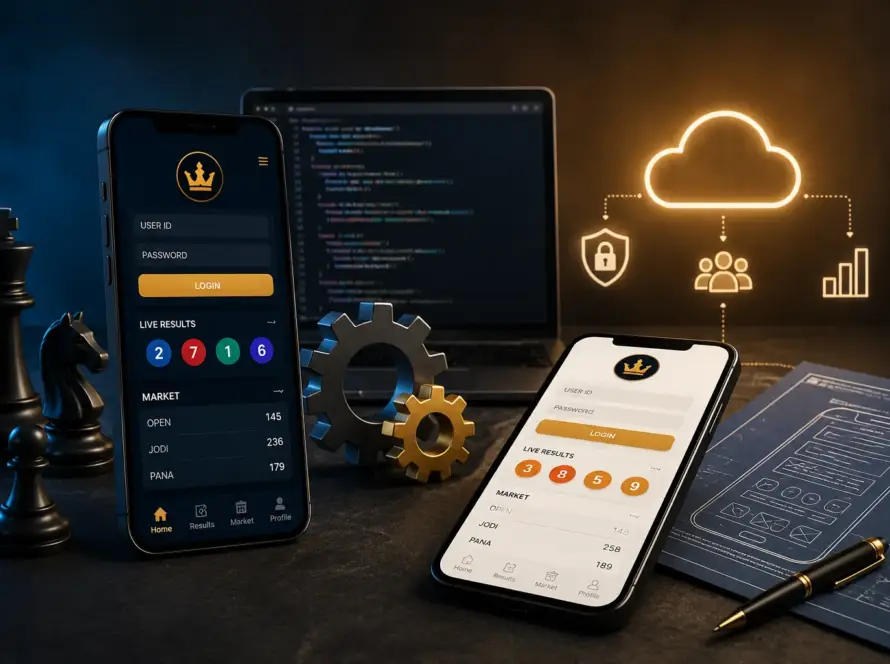
Learn the Satta Matka app development process step by step, from planning and UI/UX design to backend development, testing, deployment, and maintenance.
Developing a modern Satta Matka app requires careful planning, thoughtful UI/UX design, reliable software architecture, backend development, database management, testing, and ongoing maintenance. A structured development process helps ensure that the application is stable, responsive, secure, and easier to maintain as requirements evolve.
Before beginning Satta Matka app development, it is important to define the project requirements, understand the target platforms, plan the application architecture, select suitable technologies, and consider applicable legal and regulatory requirements.
In this guide, we explain the Satta Matka app development process step by step, from initial planning and design to development, testing, deployment, and maintenance.
What Is the Satta Matka App Development Process?
The Satta Matka app development process is the complete lifecycle involved in planning, designing, building, testing, and maintaining a mobile application.
A typical development process includes:
- Requirement analysis
- App planning
- UI/UX design
- Frontend development
- Backend development
- Database development
- API integration
- Testing and quality assurance
- Deployment
- Maintenance and updates
Each stage plays an important role in creating a reliable application. The exact development approach depends on the project’s functionality, target devices, technical requirements, and applicable compliance obligations.
Step-by-Step Satta Matka App Development Process
1. Requirement Analysis
The first stage is understanding what the application needs to accomplish.
Before writing code, the development team should discuss the project requirements and determine:
- Target users
- Supported devices and platforms
- Required screens
- User account requirements
- Administrative requirements
- Data management requirements
- Notification requirements
- API requirements
- Security expectations
- Scalability requirements
A detailed requirements document provides a clear roadmap for the entire project.
It is also important to determine the jurisdictions in which the application will be offered and review applicable laws, regulations, app-store policies, advertising requirements, and other relevant restrictions before development begins.
2. App Planning and Architecture
Once requirements are finalized, developers can plan the application’s architecture.
Architecture defines how different parts of the application communicate with each other. A typical architecture may contain:
- Mobile application
- Backend server
- Database
- APIs
- Administration system
- Hosting infrastructure
Developers should also plan how the application will handle future growth. A scalable architecture makes it easier to introduce additional functionality without rebuilding the entire application.
During this stage, developers can also create user flows and determine how users will move between different screens.
3. UI/UX Design
The next stage is designing the application’s user interface and experience.
Good UI/UX design makes an application easier to understand and navigate. Designers generally begin with wireframes before creating the final visual design.
Important considerations include:
- Simple navigation
- Clear screen layouts
- Readable typography
- Consistent design elements
- Touch-friendly controls
- Mobile-friendly data presentation
- Clear error messages
- Fast and intuitive user flows
The design should be created for the target devices and screen sizes.
UI/UX planning should be aligned with the Satta Matka App Features, so that the interface supports the application’s intended functionality.
4. Frontend App Development
After the designs are approved, developers begin converting them into functional application screens.
Frontend development can include:
- Login and registration screens
- Navigation
- User profile interfaces
- Data displays
- Search and filtering
- Forms
- Notifications
- Settings
- Other approved application functionality
Depending on the project, developers may choose native Android or iOS development or cross-platform technologies such as Flutter or React Native.
The frontend communicates with the backend through APIs and displays the information returned by the server.
5. Backend Development
The backend is responsible for application logic, data processing, authentication, and communication with the database.
Backend development may include:
- User management
- Authentication
- Data management
- Application settings
- Notification management
- Administrative operations
- API endpoints
- Server-side validation
Common backend technologies can include PHP, Laravel, Node.js, or other suitable frameworks.
The backend should be designed with security, performance, maintainability, and scalability in mind.
6. Database Development
The database stores and organizes the information required by the application.
Before creating the database, developers determine what information needs to be stored and how different data entities relate to each other.
Depending on the project, the database may contain:
- User information
- Application settings
- Historical records
- Content
- Notification information
- Administrative data
Developers should also consider indexing, backups, access controls, and database performance.
A properly structured database helps the application retrieve information efficiently and makes future maintenance easier.
7. API Integration
APIs allow the mobile application to communicate with backend services.
For example, APIs can be used for:
- User authentication
- Retrieving authorized data
- Updating user information
- Notifications
- Synchronizing application data
- Communication between frontend and backend
API endpoints should include appropriate authentication, authorization, validation, and security controls.
Developers should also document APIs clearly so that future developers can maintain or extend the application more efficiently.
Testing and Quality Assurance
Testing is an essential stage of the Satta Matka app development process.
Before an application is released, developers should test it across different devices, operating systems, screen sizes, and network conditions.
Functional Testing
Functional testing verifies whether application features work according to the approved requirements.
UI Testing
UI testing checks layouts, buttons, forms, navigation, typography, and other interface elements.
API Testing
API testing verifies communication between the mobile application and backend services.
Performance Testing
Performance testing helps identify slow screens, inefficient database queries, excessive resource usage, and other bottlenecks.
Security Testing
Security testing helps identify issues related to authentication, authorization, input validation, data protection, and API access.
Compatibility Testing
Compatibility testing ensures that the application behaves correctly across supported devices and operating-system versions.
Identified bugs should be fixed and tested again before production deployment.
App Deployment
After development and testing are complete, the application can be prepared for deployment.
The deployment process may include:
- Production server configuration
- Database configuration
- API configuration
- Application build preparation
- Security configuration
- Monitoring setup
- Final testing
For applications distributed through mobile app stores, developers must also review the relevant store requirements and approval policies.
Availability and distribution should always comply with applicable laws and platform policies.
Maintenance and Updates
App development does not end after the initial launch.
Regular maintenance may be required for:
- Bug fixes
- Security updates
- Performance improvements
- Operating-system compatibility
- Server maintenance
- Database optimization
- API updates
- Approved feature improvements
Mobile operating systems and third-party technologies change over time, so applications should be monitored and updated accordingly.
Regular maintenance can help improve stability and extend the useful life of the application.
Technology Stack for Satta Matka App Development
The technology stack depends on the project’s requirements and target platforms.
Mobile App Development
Possible approaches include:
- Native Android development
- Native iOS development
- Flutter
- React Native
Cross-platform frameworks can be useful when the same application needs to support multiple platforms, while native development may be preferred when platform-specific functionality is important.
Backend Development
Possible backend technologies include:
- PHP
- Laravel
- Node.js
- Other suitable frameworks
Database
Depending on the application architecture, developers may use:
- MySQL
- PostgreSQL
- MongoDB
Infrastructure
A production application may also require:
- Cloud hosting
- SSL/HTTPS
- Backups
- Monitoring
- CDN
- Secure API infrastructure
The technology stack should ultimately be selected according to the application’s actual requirements rather than simply following technology trends.
How Long Does Satta Matka App Development Take?
The development timeline varies from project to project.
Several factors can influence the timeline, including:
- Number of screens
- UI/UX complexity
- Backend requirements
- Database structure
- API integrations
- Administrative functionality
- Testing requirements
- Supported platforms
- Customization
A clearly defined project scope helps development teams create a more realistic timeline.
It is important not to sacrifice testing, security, or quality simply to launch the application faster.
How Much Does Satta Matka App Development Cost?
There is no fixed development cost because every application can have different requirements.
The total cost may depend on:
- Number of platforms
- UI/UX design
- Custom functionality
- Backend development
- Database requirements
- API integrations
- Administration system
- Security requirements
- Testing
- Hosting
- Maintenance
A simple application with limited functionality generally requires less development work than a fully customized application with complex backend requirements. Businesses can also compare custom and ready-made app solutions before choosing a development approach.
The most accurate way to estimate development cost is to define the project requirements first and then prepare a development scope based on those requirements.
Frequently Asked Questions
What is involved in Satta Matka app development?
The process generally includes requirement analysis, architecture planning, UI/UX design, frontend development, backend development, database development, API integration, testing, deployment, and ongoing maintenance.
How long does it take to develop a Satta Matka app?
The timeline depends on the number of screens, functionality, backend complexity, integrations, supported platforms, testing requirements, and level of customization.
What technology is used to develop a Satta Matka app?
Depending on the project, developers may use Flutter, React Native, native Android or iOS technologies, PHP, Laravel, Node.js, MySQL, PostgreSQL, or other suitable technologies.
Can a Satta Matka app be customized?
Yes. A mobile application can be customized according to specific UI/UX, backend, database, API, administration, and scalability requirements, subject to applicable laws and platform policies.
How much does Satta Matka app development cost?
Development cost depends on the application’s features, design, platforms, backend requirements, integrations, security, testing, infrastructure, and maintenance requirements.
Conclusion
The Satta Matka app development process involves several stages, from requirement analysis and architecture planning to UI/UX design, frontend development, backend development, database creation, API integration, testing, deployment, and maintenance.
A structured development approach helps create an application that is responsive, maintainable, secure, and prepared for future technical requirements.
Before starting development, clearly define the project scope, target platforms, functionality, technology requirements, budget, and maintenance expectations. It is equally important to review applicable laws, regulations, app-store requirements, and other platform policies before launching the application.
If you are planning a customized project, choosing an experienced development partner can help you build an application around your specific technical requirements while maintaining a clear and scalable development process.